
If treatment attempts with at least two different antidepressants (at the right dose and time) are behind you, and the symptoms still don’t go away or return with redoubled force – we’re talking about drug-resistant depression. Constant fatigue, hopelessness and anhedonia are symptoms that standard pharmacology often fails to deal with.
Traditional drugs (e.g. SSRIs) affect serotonin levels and take many weeks to take effect. In many patients, this mechanism simply doesn’t work. Intravenous infusion therapy works quite differently – it stimulates the formation of new nerve connections in the brain (neuroplasticity) and can bring relief in a very short time.
Fatigue in the search for an effective method is a natural state. So is fear of a new form of therapy. Intravenous infusions are a recognized medical procedure, approved by the Polish Psychiatric Association. Therapy is carried out in our clinic under a strict sanitary regime, always under the watchful eye of a specialist. You are in safe hands.
Chronic stress and untreated depression weaken the connections between neurons. Unlike traditional drugs, infusions act on the glutamate system (NMDA receptors). They quickly stimulate the brain to form new synaptic connections – a phenomenon we call neuroplasticity. Instead of just masking symptoms, the therapy helps physically “reboot” the neural networks responsible for mood.
Standard antidepressants (e.g., SSRIs) often take many weeks to have their first effects, and in drug-resistant depression they may not work at all. Intravenous infusion therapy bypasses the digestive system, acting almost immediately. Many patients experience a marked improvement in mood and a reduction in resignation thoughts as early as 24 hours after the first treatment.
Although infusions for the treatment of depression are an innovation, their very composition has been safely used in medicine for decades. In our clinic, they are administered in strictly calculated, so-called subanesthetic (very low) doses. Each infusion is a rigorous medical procedure, taking place in comfort and under constant, continuous monitoring by an experienced anesthesiologist.
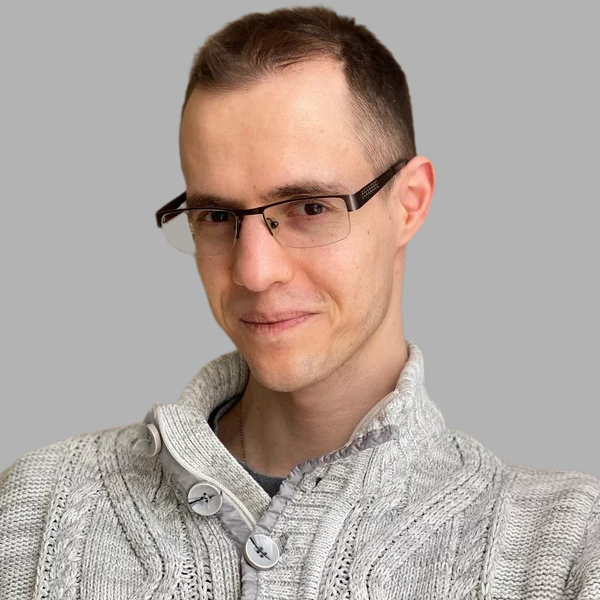
Specialist in Psychiatry, Psychologist
Graduated in medicine from the Medical University of Gdansk and in clinical psychology from SWPS University. In 2025 he defended his doctoral dissertation, earning a doctorate in psychiatry. He is gaining clinical experience at the UCK Department of Adult Psychiatry in Gdansk, among other places. His dual training – medical and psychological – allows him to take an exceptionally broad, empathetic and comprehensive view of patient problems. He is passionate about psychotherapy and aquaristics. Privately, a happy dad of Marcel and Ali.
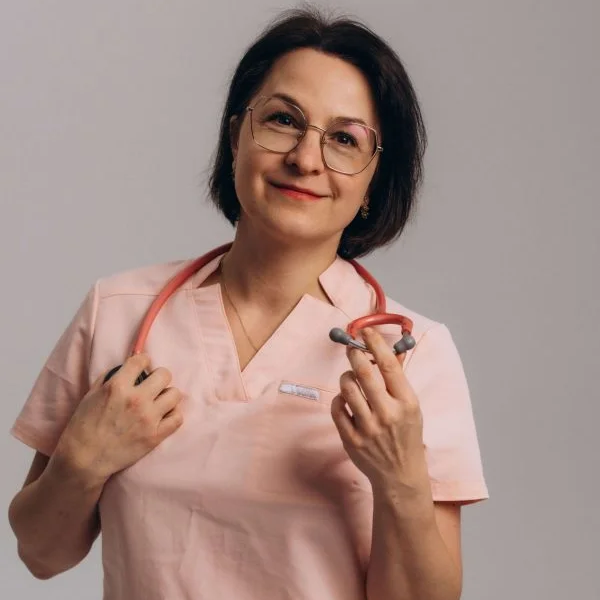
Specialist in anesthesiology and intensive care
She graduated with honors from the Faculty of Medicine in Bialystok. She received her doctorate in medical sciences from the Medical University of Gdansk, and gained many years of experience at the University Clinical Center in Gdansk. She completed prestigious postgraduate studies in Pain Medicine at the Jagiellonian University. As an experienced anesthesiologist and an expert in intravenous procedures and vital signs monitoring, she ensures maximum safety and comfort of patients during the course of treatment. In her free time, she loves exploring new places and spending time in nature. Privately, she is a mother of a 7-year-old daughter.
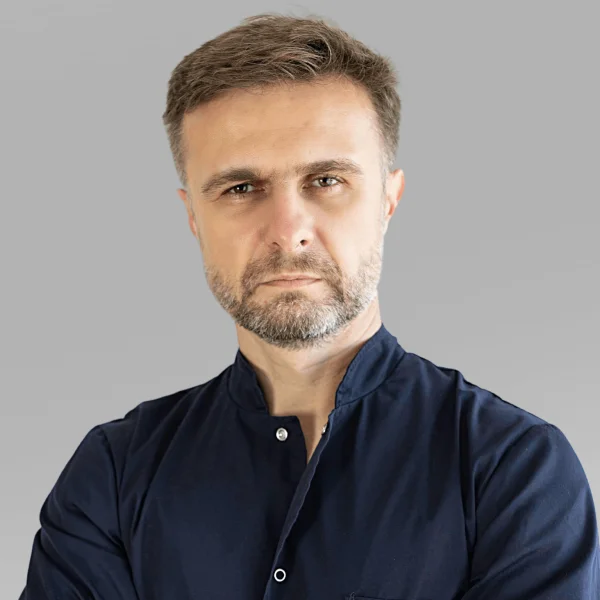
Specialist in anesthesiology and intensive care
Experienced physician, for years specializing in the safe management of advanced medical procedures and the treatment of chronic ailments. He completed postgraduate studies in Pain Medicine at the Jagiellonian University Medical College and is an active member of the Polish Pain Research Society. In his daily clinical practice, he uses modern pharmacological methods and precise minimally invasive procedures. His extensive knowledge of anesthesiology is a guarantee of rigorous safety and peace of mind for the clinic’s patients at every stage of treatment.
Unlike traditional medications, patients often experience a marked improvement in mood and a reduction in resigned thoughts after just the first few infusions, sometimes even within 24 hours.
Clinical studies show that IV infusion therapy helps regain the joy of life for patients who have failed months or even years of standard pharmacotherapy and psychotherapy.
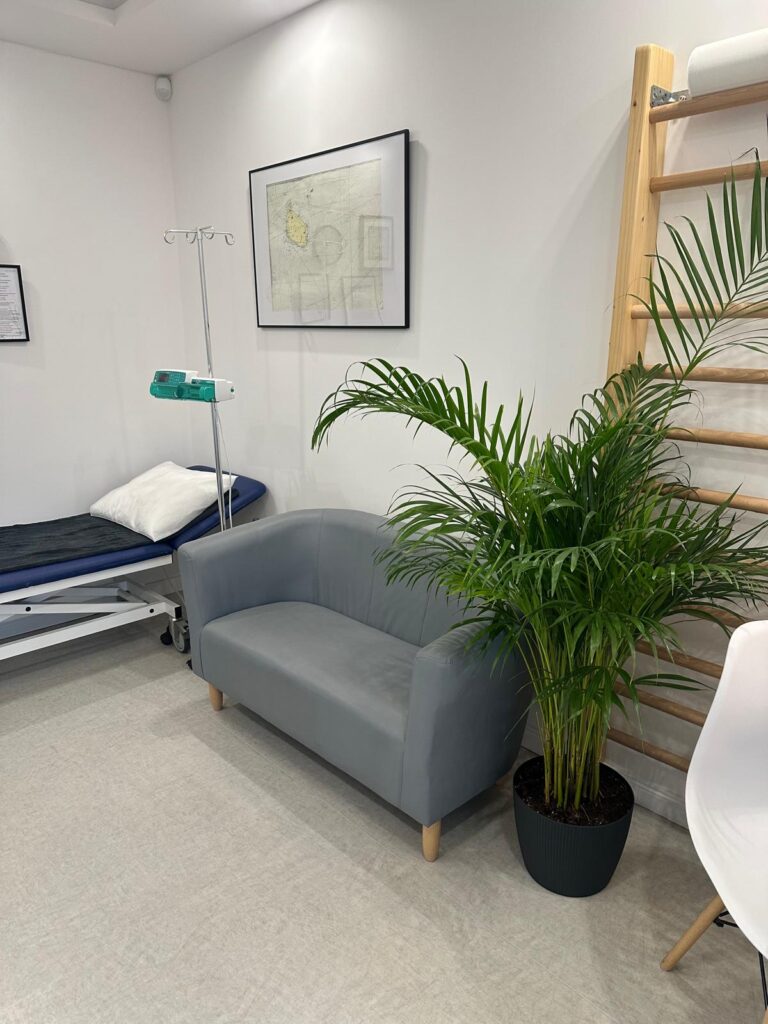
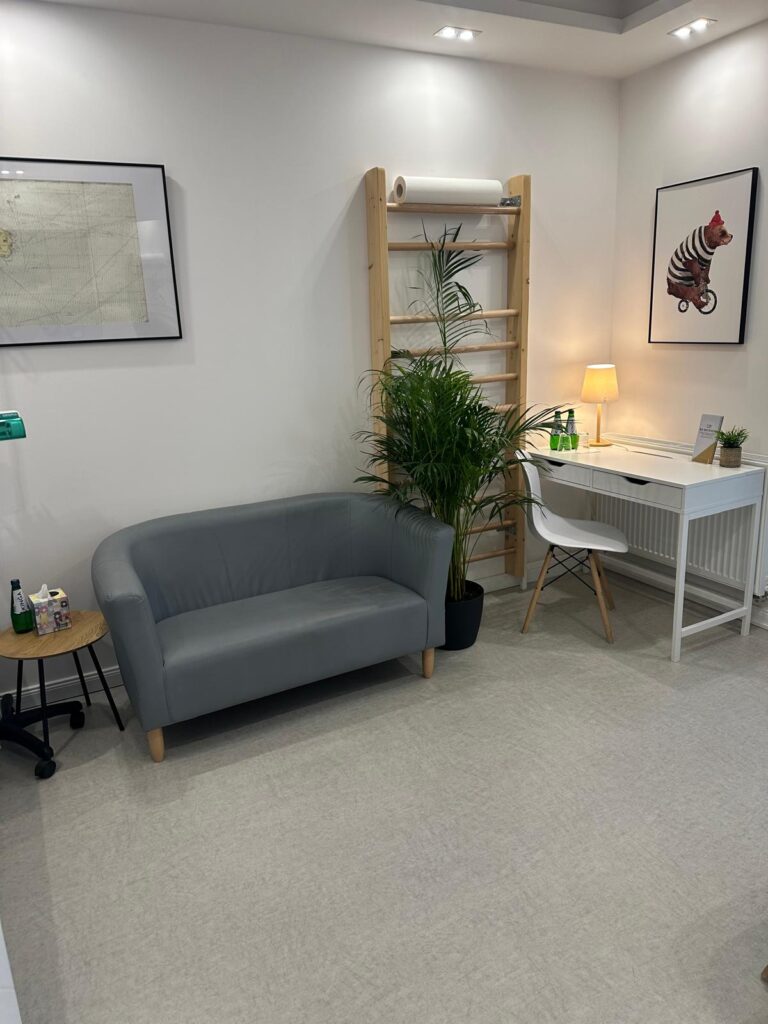
IV infusions take place in the comfort of the clinic. Throughout the procedure, the patient is monitored by experienced medical staff.
A detailed history and analysis of your treatment history. We make sure that this form of therapy will be optimal and 100% safe for you.
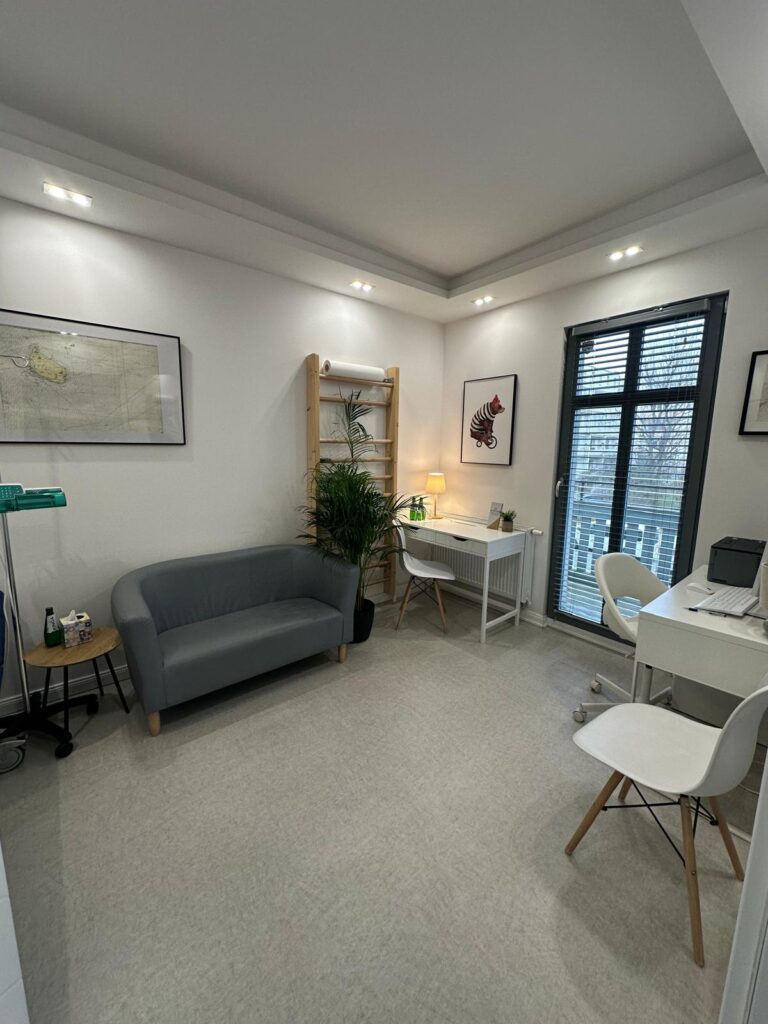
The procedure takes about 40 minutes in a soundproofed, private room. Throughout, your vital signs are monitored by an experienced anesthesiologist.
After the treatment you relax with us for 30-60 minutes. You return home accompanied by a companion (no driving allowed that day).
Most patients describe the treatment as deeply relaxing. There may be a feeling of drowsiness, of being “cut off” from problems, or mild dissociation (a sensation of being next to one’s body or a change in perception of time). This is a natural and safe effect of the drug, which completely subsides shortly after the infusion ends.
This is one of the biggest advantages of this therapy. Unlike traditional antidepressants (SSRIs), for which you have to wait weeks for an effect, here relief from symptoms (including a reduction in resigned thoughts) often occurs within hours or days of the first treatment.
Everyone’s body responds differently, but world standards for treating drug-resistant depression usually include a so-called “starter series,” consisting of about six infusions administered over 2-3 weeks. The exact treatment plan is determined by a psychiatrist during qualification.
Yes. The therapy at the Remedios clinic involves administering a medical form of the drug in precisely selected, very low doses (subanesthetic). The treatment takes place under strict anesthesiological control. Under such conditions and at such doses, the risk of addiction is marginal.
Yes, for safety reasons, we ask you not to eat 6 hours before the scheduled infusion and not to drink fluids 2 hours before the procedure. You will receive detailed instructions from us after qualification.
Due to the sedative effect of the drug, driving and operating machinery are absolutely prohibited on the day of treatment. We recommend that the rest of the day be spent resting. You should return home from the clinic under the care of an accompanying person (or by cab).
In most cases, this is not necessary – infusions often supplement and enhance existing pharmacotherapy. However, it is always up to the psychiatrist’s doctor at the first consultation to decide on any modifications in the medications taken. Never discontinue medications on your own.

